 LifeCoachAdmin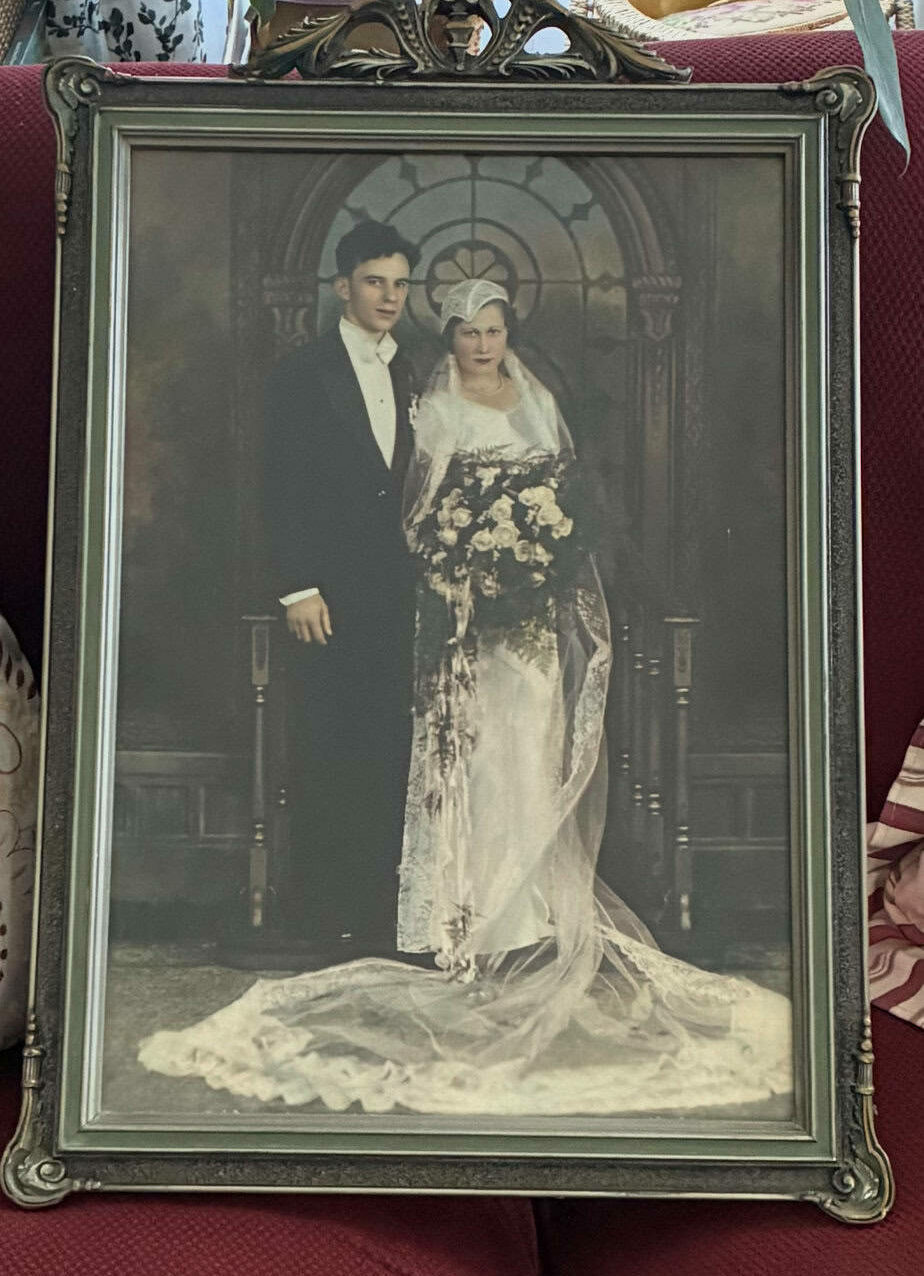
March is National Women’s History Month. Part of that history is shared in stories of resilience that are passed down through families. This story is about a portrait of Anne. Read below about how an old wedding photo sparked a conversation about what it could have been like to be a domestic violence survivor in the 1930s.
The Wedding Portrait
Lisa, a community member, recently reached out to the A New Direction office, asking if we’d be interested in an old wedding photo from her family. It was a stunning picture in a beautiful antique frame.
“It is my great aunt Anne. I thought maybe you would be interested in it since she was in an abusive marriage with the man in the photo,” Lisa shares and continues,
“I had never even seen this picture until after Aunt Anne passed away at the age of 83. Only then did my mother share that my great aunt Anne had been married before, and that he would beat her, especially after drinking,” Lisa shares.
A Snapshot of Anne
Anne was born in 1911, one of eight kids. She had 5 brothers and 2 sisters. She went to secretarial school and had a long career. During wartime, she worked in the factories. “She was a real Rosie the Riveter,” Lisa said. Anne’s family was very close, and all fondly remembered, but Anne stood out.

The Anne that Lisa’s family knew was self-sufficient and had a nice home in the country with space for growing fruit trees and other crops.
She was handy. “Aunt Anne was fearless. She was going up on the roof to make repairs or clean the gutters, even into her 80s. There was nothing she could not do,” Lisa explains.
Anne was the “fun aunt,” planning exciting activities for the kids, like go-karting. Her nieces and nephews, and then grand-nieces and grand-nephews, would look forward to visiting with her.
A Different Time, but a Continual Crisis
 Anne’s marriage was short. “I’m guessing it must only have been a couple of years. She got divorced, but kept her married name and that wedding photo,” Lisa shares.
In the 1930s, around the time Anne’s marriage ended, domestic violence was not a subject people talked about. Shame unjustly followed survivors.
At that time there was no social safety net, so Anne would have had to find a way on her own.
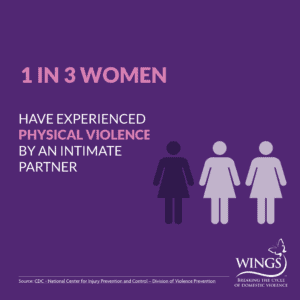
The Illinois Domestic Violence Act wasn’t passed until 1982. The Violence Against Women Act was passed in 1994. Today, Illinois has close to 70 agencies providing domestic violence services. Given this is somewhat recent history, progress has been made, but there is still work to be done. Since 1 in 3 women have experienced abuse, it’s likely that many families have history like Anne’s.
“With five brothers and a close family circle, she likely had support from them to break free,” Lisa theorizes.
Why?
Why did this story not get shared? “We all admired Aunt Anne. It might have been a painful memory to bring up,” Lisa says. There may have been a sense of failure in the role Anne was expected to fill, leaving feelings of disappointment and shame. These are still some of the reasons people stay in abusive relationships over 90 years later.
“When I looked at this photo for the first time, I realized it was Aunt Anne. I wondered how such a beautiful couple on a happy day turned out to be something that didn’t match the image,” Lisa shares.
Women’s History Month

We would not be where we are today without those who forged the path for us-of those who led the way during the Women’s Movement, and individuals in so many families like Anne’s who recognized there was another way.
These courageous women rose above the barriers and chose a better life. That’s the common denominator with today’s survivors, only now there is help.
Somehow, Anne got what she needed, but I wish I could tell her what I would tell someone now: It is not your fault. You are not alone. There is help. There is no charge and services are confidential.
Let Survivors Know They Are Not Alone

You Might Also Like:


