LifeCoachAdmin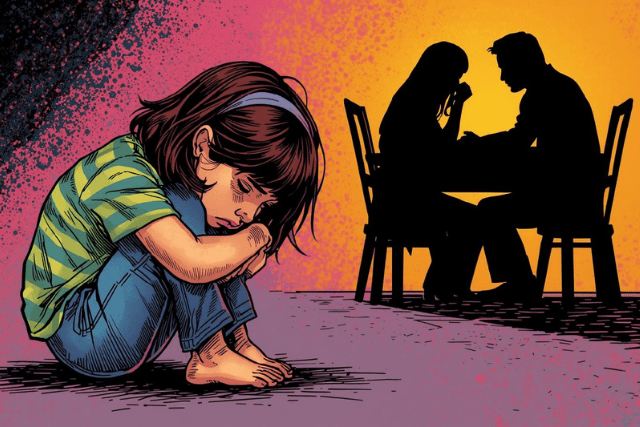
Want more posts like this in your life? Join the Tiny Buddha list for daily or weekly insights.
“We can’t receive from others what they were never taught to give.” ~Unknown
When I was younger, I believed that love meant being understood. I thought my parents would be there for me, emotionally and mentally. But love, I’ve learned, isn’t always expressed in the ways we need, and not everyone has the tools to give what they never received.
As an adult, I’ve learned something both liberating and heartbreaking: Parents can only give what they have.
I used to get frustrated that my parents couldn’t really understand my mental health struggles. The realization didn’t hit me suddenly. It settled in slowly, in moments when frustration turned into sadness, hurt, and a quiet kind of grief. When I finally allowed myself to face the loneliness and disappointment I’d pushed aside for years, I began to accept it.
If they were never taught emotional regulation, how could they show it to me?
If no one ever held space for their pain, how could they hold space for mine?
They loved me with the language they knew, even if that language was incomplete.
Later, I realized they never had the tools or support to understand their own emotions. They weren’t ignoring me; they simply didn’t have the capacity. They came from a different generation, with limited knowledge and very little space to explore feelings. Understanding that changed the way I saw them.
Accepting their limitations wasn’t about excusing the harm or pretending everything was fine. It was about finally letting go of a dream that kept me stuck—the dream that one day, they’d become the parents I wished for.
There were moments when I felt deeply misunderstood, like when I tried to talk about my anxiety and was told to just be strong. I didn’t need advice; I needed comfort. Those moments made me realize how different my emotional world was from theirs.
The acceptance can be bittersweet. I had to grieve what I needed but never received—the comfort when I was overwhelmed, the emotional safety to speak freely, and the validation that my mental health struggles were real and not weakness.
Grieving meant sitting with the hurt of being misunderstood, the loneliness of carrying feelings on my own, and the disappointment of not experiencing the closeness I had hoped for. Allowing that grief was painful, yet it also made space for healing.
And it brings a strange kind of freedom.
When I stopped expecting my parents to meet needs they couldn’t meet, I created space for fulfillment elsewhere—through personal growth, meaningful friendships, and chosen family.
Releasing those expectations felt like finally setting down a heavy weight I had carried for years.
I began building my own emotional vocabulary and learned how to soothe the parts of me that once screamed for their understanding. At the same time, my relationship with my parents shifted, not because they changed, but because I stopped measuring them against a version they couldn’t be. I could see them more clearly, with compassion and honesty, and in that clarity, I found peace.
This doesn’t mean it’s easy to be kind and compassionate toward them.
Some days, my inner child still rises up, hurt and angry. Compassion isn’t automatic; it’s a practice. A mindful decision to keep the past from shaping today.
When my inner child rises up:
I feel sudden waves of hurt, anger, or frustration.
Old memories or unmet needs surface, sometimes triggered by small events.
I might withdraw, snap, or ruminate, replaying the moments I felt unseen.
Physically, it feels tense, restless, or tearful.
When I offer compassion:
I pause and acknowledge the feelings without judgment: “It’s okay to feel hurt; this was hard for you.”
I consciously soothe the younger part of me through self-talk, journaling, or comforting routines.
I remind myself that I am safe now and have the tools and support the younger me lacked.
The anger softens, tension eases, and I feel steadier, calmer, and more present.
Impact:
When left unchecked, the inner child keeps me stuck in old patterns, replaying grief and frustration.
Offering compassion validates my experiences, interrupts cycles of shame, and creates space for healing and growth.
Here’s what helps me when it’s hard:
Remembering their humanity
They are not only parents; they are people shaped by their own pain, fears, and limitations. I came to see that their distance or emotional unavailability wasn’t about me but about the wounds and fears they carried from their own lives. Understanding this shifted my frustration into compassion, even when their actions had once hurt me.
Holding two truths at once
I can acknowledge the hurt and understand their struggles. Compassion doesn’t cancel out pain.
Reparenting myself
When I give myself the care I needed as a child, I loosen the grip of old expectations.
It looks like noticing my own feelings without judgment, offering comfort when I’m anxious or sad, and reminding myself that it’s okay to need support.
It means setting boundaries I wished I had, speaking kindly to myself, and creating small rituals of safety and reassurance—a warm cup of tea, journaling, or simply sitting quietly with my emotions.
Reparenting isn’t a single act; it’s a series of mindful choices that teach my inner child they are seen, valued, and loved.
Setting boundaries without guilt.
Acceptance doesn’t mean unlimited access. I can love them and still protect my peace.
Finding my own teachers.
Emotional growth can come from therapy, community, or personal reflection. I’m no longer waiting for them to teach me.
Letting go of the hope that someone will change is one of the most painful forms of love. And sometimes, it’s the only way to make space for your own growth.
I’ve stopped expecting my parents to give me what they never knew how to give, and I’ve begun giving myself the love and care I was missing. Sometimes healing begins with accepting them as they are and then turning that compassion inward.

About Shobitha Harinath
Shobitha Harinath is a photographer and writer who explores self-growth, healing, and relationships through personal reflection. Her writing offers a space to understand emotions, connection, and inner transformation. Follow her on Instagram: @maybe_existential.